Korean Bibimbap
Highlighted under: Classic World Food Collection
A colorful and nutritious Korean dish, Bibimbap is a delightful mix of rice, vegetables, and a variety of toppings, all served with a spicy gochujang sauce.
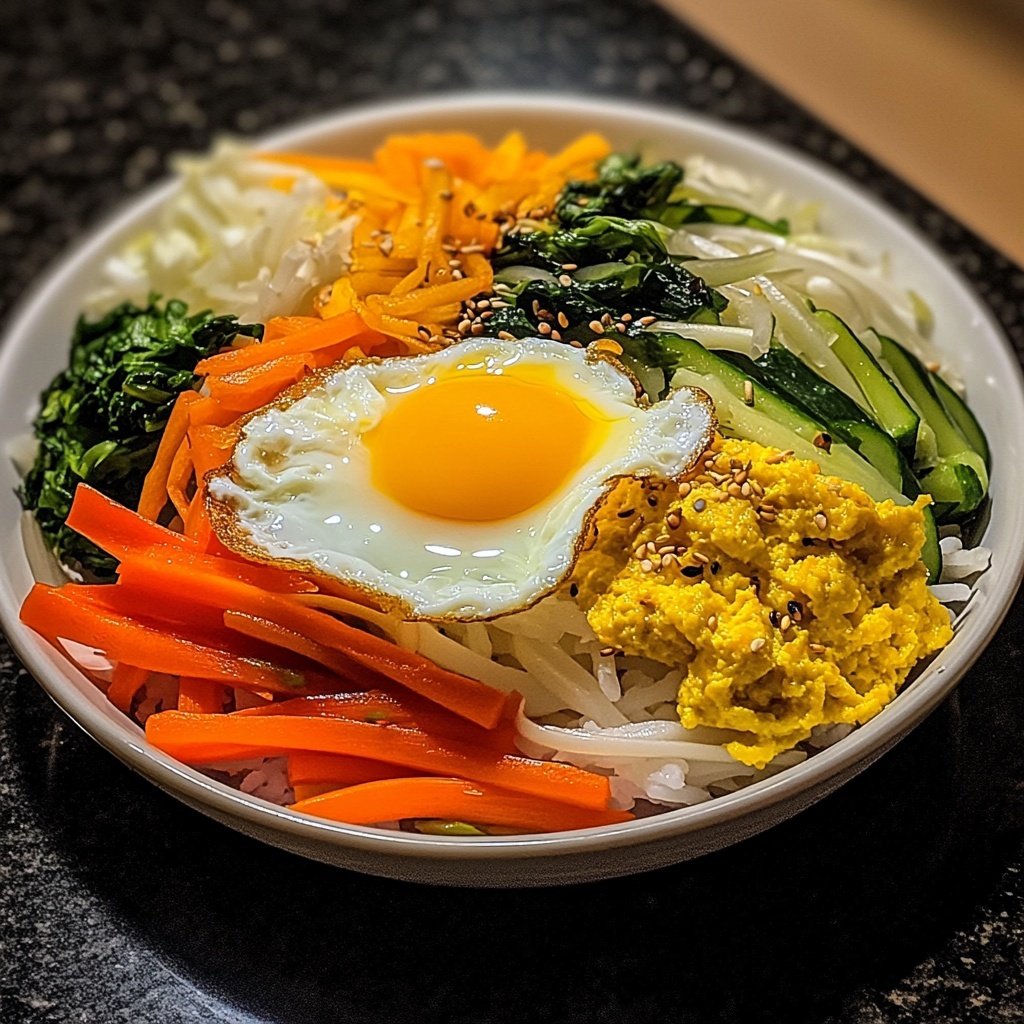
Bibimbap is a traditional Korean dish that translates to 'mixed rice'. It is known for its vibrant colors and range of flavors. Each ingredient in Bibimbap not only adds taste but also contributes to the dish's nutritional value, making it a wholesome meal option.
Why You'll Love This Recipe
- A perfect balance of flavors and textures
- Versatile to customize with your favorite vegetables and proteins
- Packed with nutrients and colorful ingredients
What is Bibimbap?
Bibimbap is a traditional Korean dish that translates to 'mixed rice.' It features a harmonious combination of warm rice topped with an assortment of sautéed and seasoned vegetables, proteins, and a fried egg, all enhanced by the spicy kick of gochujang. This dish is not only a feast for the eyes with its vibrant colors but also a delightful blend of textures and flavors that make each bite a delicious experience.
Originating from Korea, Bibimbap was traditionally a way to use up leftover ingredients. However, over time it has evolved into a beloved staple that represents Korean cuisine. Each region in Korea may offer its own variation, showcasing local ingredients and preferences, making Bibimbap an incredibly versatile dish that can be customized to suit any palate.
Health Benefits of Bibimbap
One of the standout features of Bibimbap is its nutritional profile. With a base of rice and an array of vegetables, this dish is packed with vitamins, minerals, and fiber, making it a nutritious choice for any meal. The inclusion of fresh vegetables such as spinach, carrots, and zucchini not only adds vibrant colors but also contributes to a well-rounded diet.
Additionally, Bibimbap can be tailored to fit various dietary preferences. Whether you're looking for a vegetarian option or want to add protein such as beef, chicken, or tofu, the possibilities are endless. This flexibility ensures that you can enjoy a delicious meal that aligns with your health goals and taste preferences.
Tips for the Perfect Bibimbap
To achieve the best flavor in your Bibimbap, using high-quality ingredients is essential. Opt for fresh, seasonal vegetables to enhance the taste and nutritional value of the dish. Don't hesitate to experiment with different toppings and proteins to find your perfect combination. You can even add kimchi for an extra layer of flavor.
When it comes to serving, presentation matters. Arrange your ingredients artfully on top of the rice, ensuring a beautiful contrast of colors. This not only makes the dish visually appealing but also enhances the experience of mixing everything together just before eating, allowing the flavors to meld beautifully.
Ingredients
For the Bibimbap
- 2 cups cooked rice
- 1 cup spinach, blanched
- 1 cup carrots, julienned
- 1 cup zucchini, julienned
- 1 cup bean sprouts, blanched
- 2 eggs
- 2 tablespoons sesame oil
- Salt to taste
- Gochujang (Korean chili paste) to taste
- Sesame seeds for garnish
Feel free to add your choice of protein like chicken, beef, or tofu to make it even more filling.
Instructions
Prepare the Vegetables
In a pan, heat sesame oil over medium heat. Sauté the carrots and zucchini separately until tender. Set aside.
Cook the Eggs
In the same pan, fry the eggs sunny-side up, or to your preference.
Assemble the Bibimbap
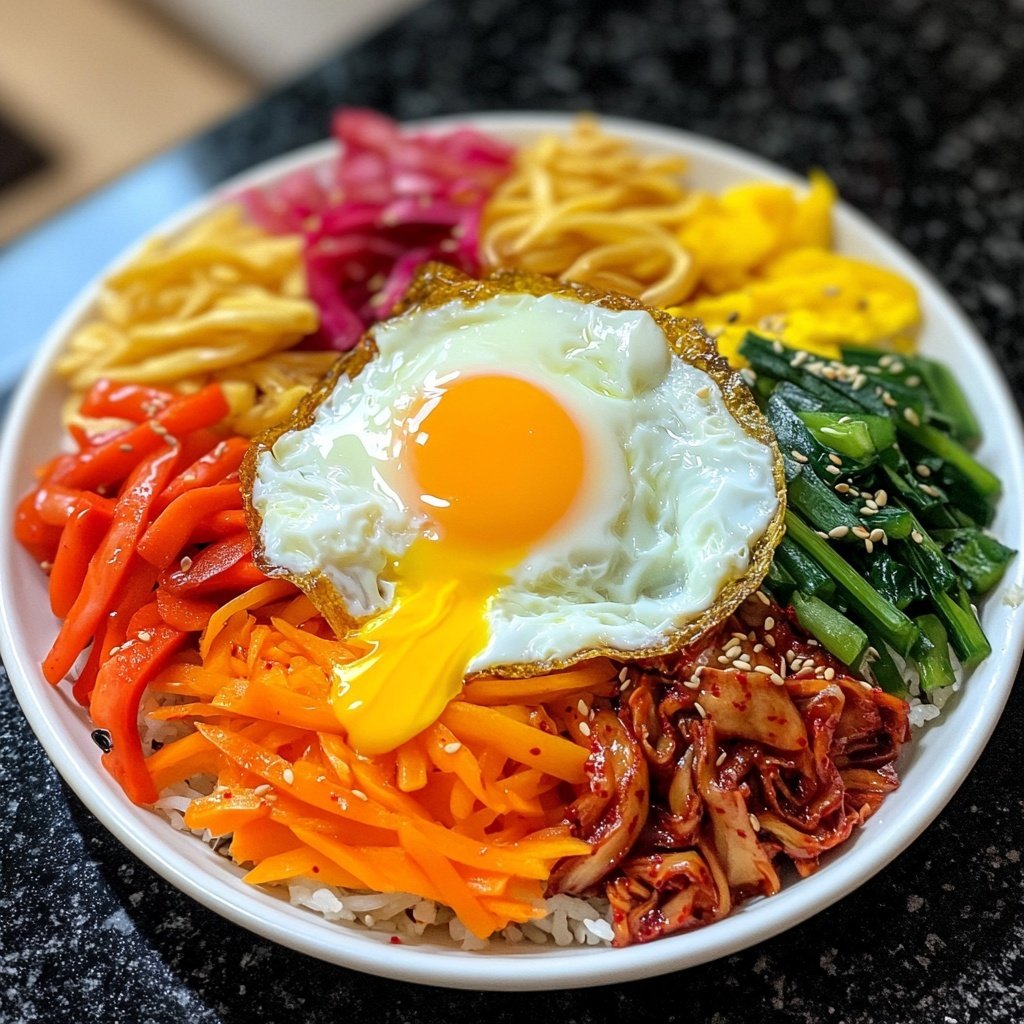
In a bowl, place a serving of rice. Arrange the blanched spinach, carrots, zucchini, and bean sprouts on top. Add the fried egg.
Add Gochujang and Serve
Drizzle with gochujang and sprinkle sesame seeds. Mix everything together before eating and enjoy!
For an extra kick, add more gochujang according to your spice preference.
Pro Tips
- Use a variety of colorful vegetables to enhance the visual appeal of your dish.
Storing Leftovers
If you find yourself with leftover Bibimbap, it's important to store it properly to maintain its flavors and textures. Keep the ingredients separate, especially the rice and vegetables, to prevent them from becoming soggy. Store them in airtight containers in the refrigerator for up to three days.
When ready to enjoy your leftovers, simply reheat the rice and vegetables separately before assembling your Bibimbap again. This way, you'll have a fresh experience reminiscent of the original meal, with the added convenience of quick preparation.
Variations to Try
Bibimbap is incredibly versatile, allowing you to get creative with the ingredients. For a twist, consider using quinoa or brown rice instead of traditional white rice for added health benefits. You can also incorporate seasonal vegetables or whatever you have on hand, making it a perfect dish for clearing out the fridge.
Another exciting variation is to add protein sources like grilled chicken, bulgogi (marinated beef), or even seafood. Tofu is a great plant-based option that absorbs flavors well, making it a fantastic choice for a vegetarian version. Don't forget to experiment with garnishes like seaweed or additional sauces for added depth.
Serving Suggestions
Bibimbap is a meal in itself, but it can also be paired beautifully with side dishes to enhance your dining experience. Traditional Korean sides like kimchi, pickled radishes, or a simple seaweed salad complement the flavors of Bibimbap perfectly, adding extra layers of taste and texture.
For a complete Korean meal, serve your Bibimbap alongside a warm bowl of miso soup or a refreshing cucumber salad. This not only rounds out your meal but also introduces different flavors that elevate the overall dining experience, making it a delightful feast for both the eyes and the palate.
Questions About Recipes
→ Can I make Bibimbap vegetarian?
Absolutely! Just omit any meat and add more vegetables or tofu.
→ What type of rice is best for Bibimbap?
Short-grain rice is commonly used as it is stickier and holds together well.
→ Can I prepare the ingredients in advance?
Yes, you can prepare the vegetables and rice a day ahead to save time.
→ How can I make Bibimbap spicier?
Add more gochujang or include sliced fresh chilies for an extra kick.
Korean Bibimbap
Created by: Rosamund Blake
Recipe Type: Classic World Food Collection
Skill Level: Easy
Final Quantity: Serves 2
What You'll Need
For the Bibimbap
- 2 cups cooked rice
- 1 cup spinach, blanched
- 1 cup carrots, julienned
- 1 cup zucchini, julienned
- 1 cup bean sprouts, blanched
- 2 eggs
- 2 tablespoons sesame oil
- Salt to taste
- Gochujang (Korean chili paste) to taste
- Sesame seeds for garnish
How-To Steps
In a pan, heat sesame oil over medium heat. Sauté the carrots and zucchini separately until tender. Set aside.
In the same pan, fry the eggs sunny-side up, or to your preference.
In a bowl, place a serving of rice. Arrange the blanched spinach, carrots, zucchini, and bean sprouts on top. Add the fried egg.
Drizzle with gochujang and sprinkle sesame seeds. Mix everything together before eating and enjoy!
Extra Tips
- Use a variety of colorful vegetables to enhance the visual appeal of your dish.
Nutritional Breakdown (Per Serving)
- Calories: 500 kcal
- Total Fat: 20g
- Saturated Fat: 4g
- Cholesterol: 160mg
- Sodium: 600mg
- Total Carbohydrates: 70g
- Dietary Fiber: 4g
- Sugars: 5g
- Protein: 12g